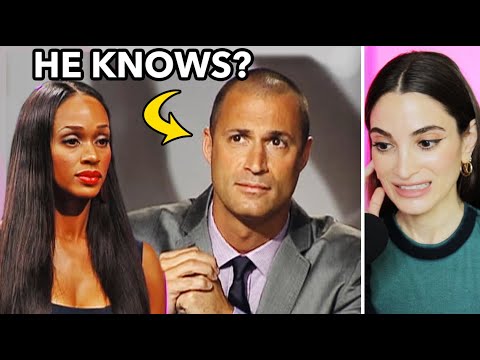
There’s a specific moment on every composite project where I realize the raw photo isn’t going to carry the weight I need it to. The pose is off. The energy is wrong. The subject looks like they’re waiting for a bus rather than selling a feeling. That’s the problem I keep returning to, and it’s why I find myself watching breakdowns of commercial shoots even when they’re wrapped inside reality TV drama.
In this Jessica Kobeissi tutorial, she reacts to an episode of America’s Next Top Model where the contestants shoot a live campaign for Express clothing. Three of the models push back on the judges, the creative direction gets messy, and Jessica uses every uncomfortable moment to unpack what’s actually going wrong on set. Watch the full tutorial on YouTube. For anyone who works with photos after the fact, whether you’re retouching, compositing, or building full scenes from multiple sources, understanding what makes a shoot succeed or collapse at the source is essential. You can’t fix in post what was broken in concept.
What Jessica lays out is less a technical walkthrough and more a masterclass in reading a commercial shoot: what the client wants, what the model needs to deliver, and where direction breaks down. I’m going to walk through the key stages she covers and pull out what’s genuinely useful for anyone involved in creating or using images professionally.
Step 1: Understand What the Client Is Actually Asking For
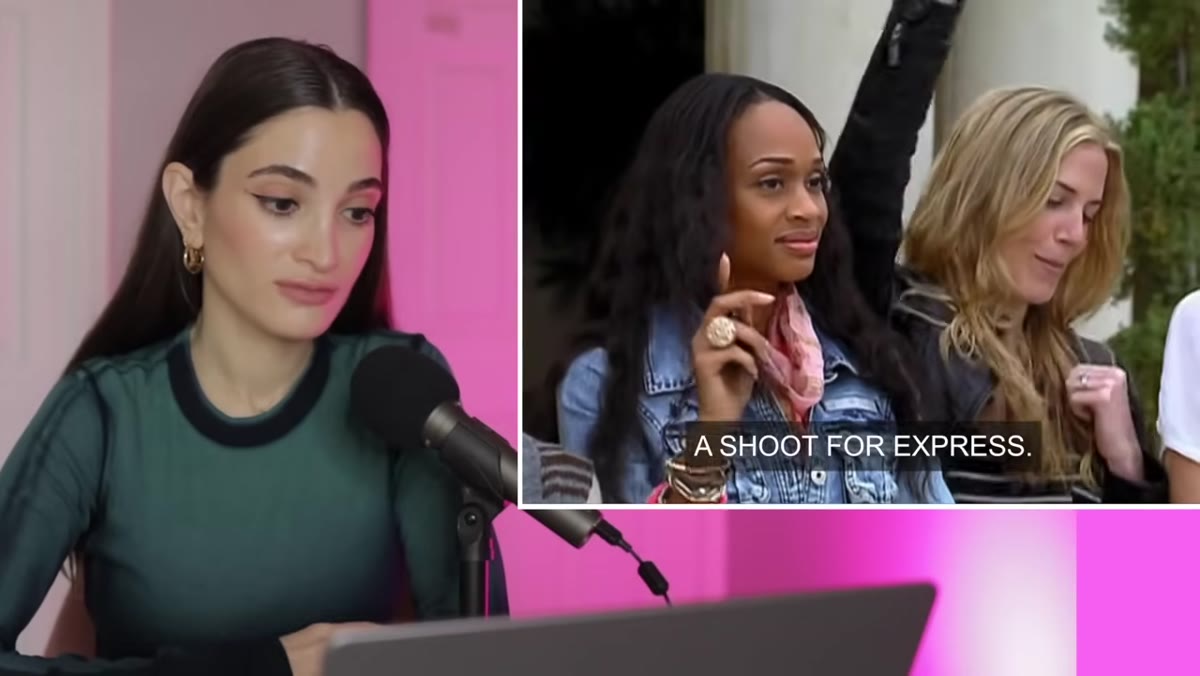 Client rep addressing models about the Express campaign brief
Before a single frame is shot, the client brief defines everything. In the episode, an Express representative explains to the models that the brand wants a specific type of woman: confident, noticed, aspirational. Jessica points out that models who don’t connect to that identity personally are already fighting an uphill battle. The same applies when you’re sourcing stock images or directing a shoot for a composite. If you don’t understand what emotion the final image is supposed to sell, you’ll pick the wrong pose, the wrong expression, and the wrong light.
Client rep addressing models about the Express campaign brief
Before a single frame is shot, the client brief defines everything. In the episode, an Express representative explains to the models that the brand wants a specific type of woman: confident, noticed, aspirational. Jessica points out that models who don’t connect to that identity personally are already fighting an uphill battle. The same applies when you’re sourcing stock images or directing a shoot for a composite. If you don’t understand what emotion the final image is supposed to sell, you’ll pick the wrong pose, the wrong expression, and the wrong light.
When I start a new composite, I sketch the scene on paper before opening Photoshop. Part of that sketch is a one-sentence brief I write to myself: what does this image want the viewer to feel? That question should come from the client, but if it doesn’t, you have to excavate it yourself. The Express brief in this episode is clear: aspiration and desirability. Everything shot on that set should be filtered through that lens.
Step 2: Assign Roles Before the Shoot, Not During
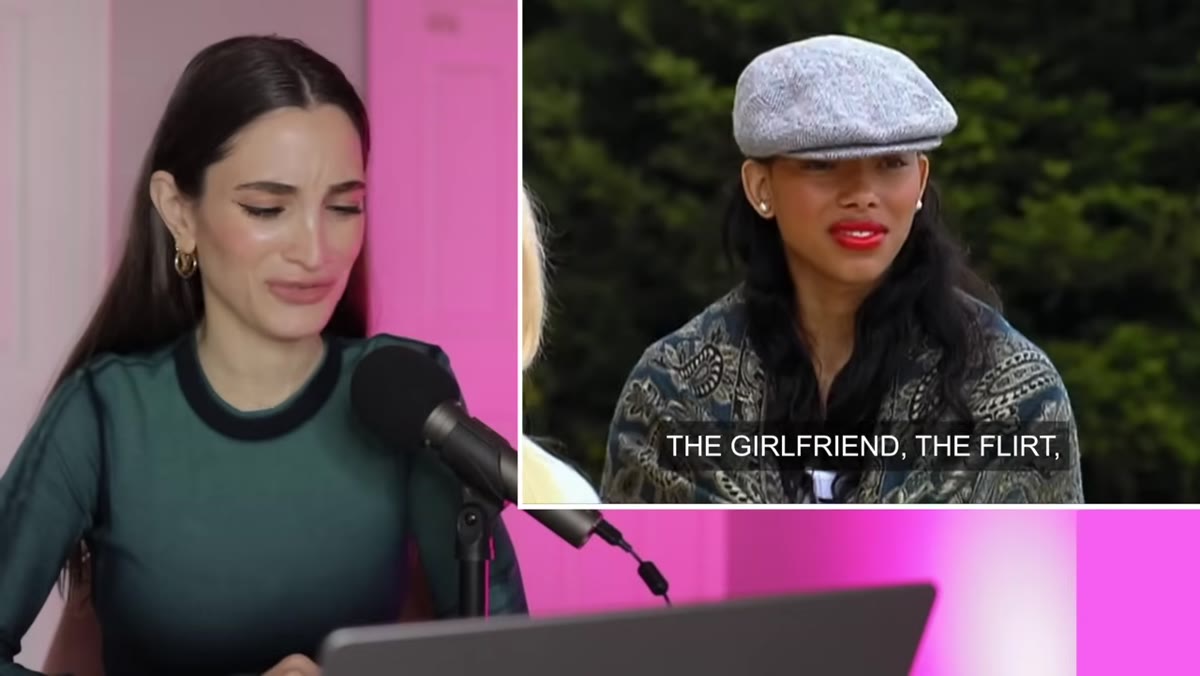 Models receiving their character roles: girlfriend, flirt, socialite, cool chick
The show assigns each model a character type before they hit the set. Girlfriend, flirt, socialite, cool chick. Jessica’s reaction here is useful because she shows you what happens when a model either embraces or ignores that assigned identity. The models who internalize the role before the camera fires give the photographer something to work with. The ones who don’t can’t find their footing.
Models receiving their character roles: girlfriend, flirt, socialite, cool chick
The show assigns each model a character type before they hit the set. Girlfriend, flirt, socialite, cool chick. Jessica’s reaction here is useful because she shows you what happens when a model either embraces or ignores that assigned identity. The models who internalize the role before the camera fires give the photographer something to work with. The ones who don’t can’t find their footing.
For compositing work, this translates directly to casting your reference shots or directing a model session. If I’m building a scene where a figure needs to project authority, I don’t just shoot someone standing with good posture. I give them a context: you just closed a deal, you’re the person in the room everyone is watching. The body language that comes from that framing is completely different from generic “confident standing pose.” The role shapes the physicality, and the physicality is what you’re ultimately cutting and compositing.
Step 3: Use Male Models Strategically in Mixed Shoots
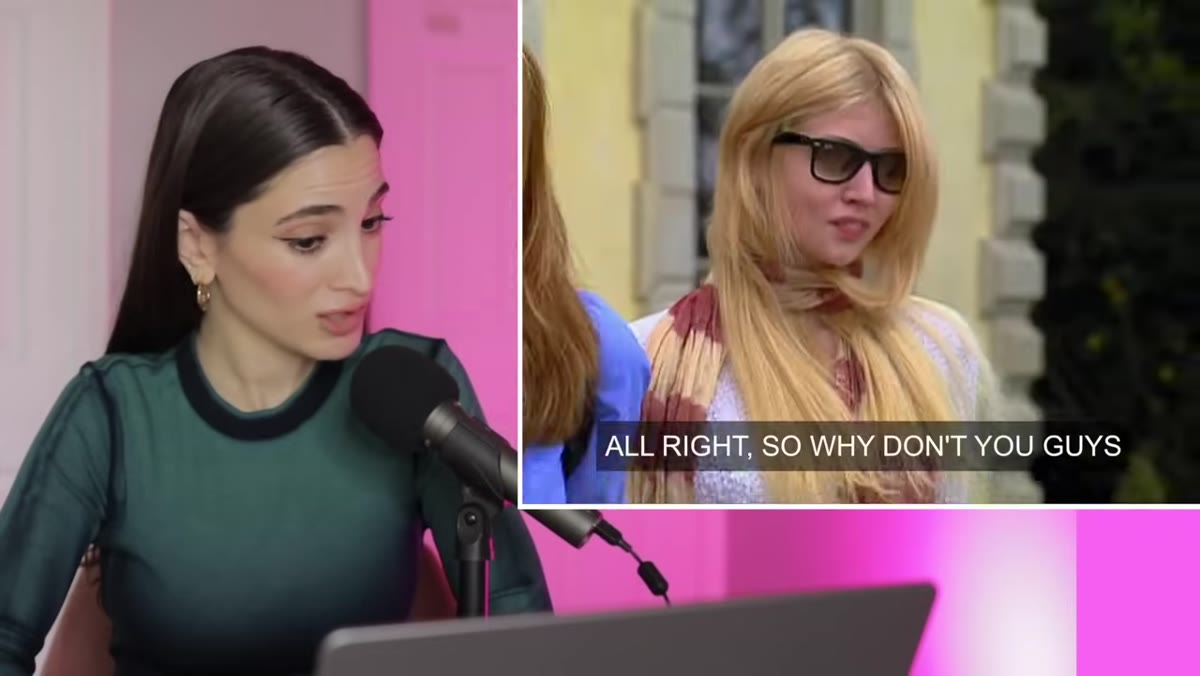 Male models introduced on set alongside female contestants
The episode introduces three male models to work opposite the women. Jessica notes that the intention is to create a social dynamic rather than isolated poses. This is a legitimate commercial photography strategy: give your subject something to react to, and the result is more naturalistic than posing against empty air.
Male models introduced on set alongside female contestants
The episode introduces three male models to work opposite the women. Jessica notes that the intention is to create a social dynamic rather than isolated poses. This is a legitimate commercial photography strategy: give your subject something to react to, and the result is more naturalistic than posing against empty air.
If you’re building composites that include multiple figures, this principle matters enormously. Figures that are posed independently and then dropped into the same frame almost always feel wrong, even if the lighting matches. The relationship between bodies, the angles of attention, the implied conversation between subjects, all of that has to be considered at the shoot stage or rebuilt painstakingly in post. Whenever possible, shoot your figures in actual proximity and let them respond to each other. The compositing job becomes significantly easier when the source images already have relational energy baked in.
Step 4: Read the Body Before the Shot Fires
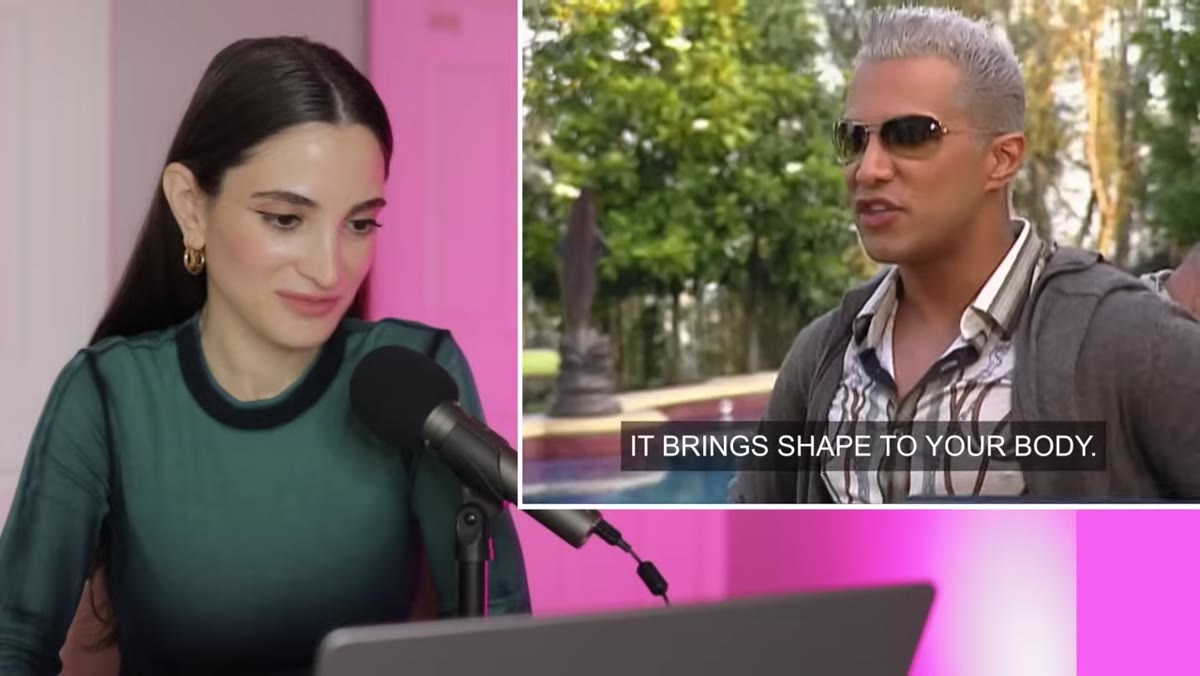 Director giving real-time posing feedback on set
Jessica pauses on a moment where the photographer is giving live direction: don’t give me the pose, just go for it. This is the distinction between a model who knows the technical positions and one who can inhabit them. Jessica is specifically watching how the model’s body is carrying her character before the shutter clicks.
Director giving real-time posing feedback on set
Jessica pauses on a moment where the photographer is giving live direction: don’t give me the pose, just go for it. This is the distinction between a model who knows the technical positions and one who can inhabit them. Jessica is specifically watching how the model’s body is carrying her character before the shutter clicks.
This is where I spend most of my time when I’m on set for a shoot I’m planning to composite later. I’m watching the spine, the angle of the chin, where the hands are falling naturally versus where they’ve been placed. Natural hand placement is almost always better than directed hand placement. The same is true when I’m reviewing stock images: the technically perfect pose that looks deliberate is often harder to integrate than the slightly imperfect shot where the subject’s weight is genuinely distributed the way a real person’s would be.
Step 5: Recognize When Direction Is Failing and Why
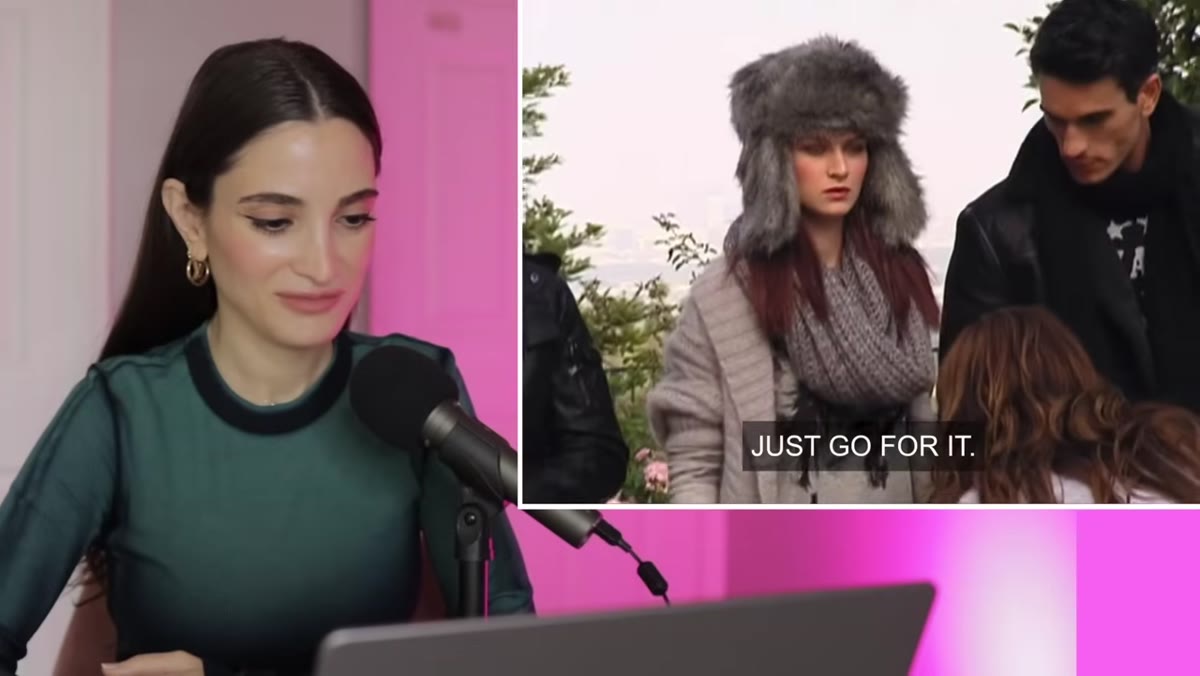 Tension emerging between model and creative direction on set
The most instructive part of Jessica’s breakdown is when the shoot starts showing visible stress. A model loses the hat adjustment mid-shot. The energy shifts. Jessica identifies the moment the mask slips, meaning the polished TV performance of the judges and the reality of what’s happening on set diverge. She’s direct about who bears responsibility: the photographer and creative director are responsible for the outcome of a shoot. When things go sideways, the solution isn’t to push blame toward the model.
Tension emerging between model and creative direction on set
The most instructive part of Jessica’s breakdown is when the shoot starts showing visible stress. A model loses the hat adjustment mid-shot. The energy shifts. Jessica identifies the moment the mask slips, meaning the polished TV performance of the judges and the reality of what’s happening on set diverge. She’s direct about who bears responsibility: the photographer and creative director are responsible for the outcome of a shoot. When things go sideways, the solution isn’t to push blame toward the model.
For anyone who will later composite images from a troubled shoot, this matters practically. Images captured when the on-set energy has collapsed carry it in subtle ways: in muscle tension around the jaw, in eyes that have gone flat, in weight that has shifted back on the heels. You can color grade and mask and blend all day, but that tension reads. The better intervention is always upstream.
A Note on Building Composites from Commercial Shoot Footage
I’ve spent time reviewing behind-the-scenes footage from shoots specifically to understand the relationship between the on-set environment and the final frame. There’s a composite I finished two years ago where the lighting was technically correct but something felt off for weeks. I eventually traced it back to the expression: the subject had been directed poorly on the day, and there was a guardedness in the eyes that I had not consciously registered but had been responding to every time I opened the file.
The lesson I’ve carried since is that a composite is only as strong as its weakest source image, and the weakness in a source image is almost always emotional rather than technical. Sharp focus and clean edges are fixable. A model who didn’t believe in the shot on the day is not.
The single most important thing Jessica Kobeissi demonstrates in this breakdown is that commercial photography is a directed performance, and the director’s job is to create the conditions where that performance can happen. As compositors and photo manipulators, we inherit the results of that direction every time we open a source file. The better we understand what good direction looks like, the better we can identify what we’re working with and what we’re working around.
Watch the full tutorial on YouTube and pay particular attention to how Jessica reads the body language in each shot. That skill transfers directly to every compositing decision you make.
Comments (4)
Just used this on a wedding shoot edit. Client was thrilled.
I tried this on a client project yesterday and the results were way better than expected.
Solid advice. Especially the part about taking your time with it.
Quality content like this is rare. Keep it up.
Leave a Comment