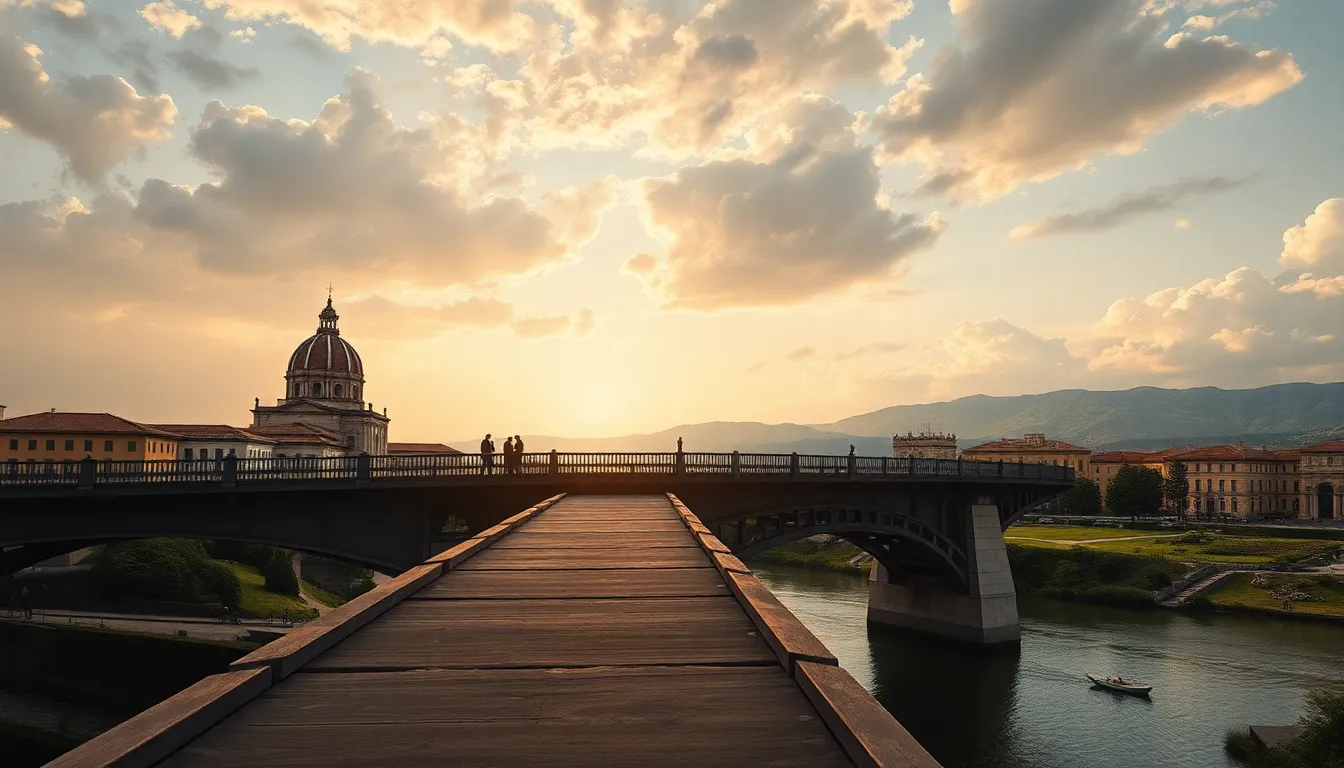
The Timeless Appeal of Classical Influence in Digital Work
I’ve been watching a fascinating trend emerge in digital art communities lately—artists are deliberately looking backward to move forward. Rather than chasing the latest hyperrealistic rendering trends, a growing number of creators are mining classical painting for compositional wisdom, color theory, and narrative depth.
One artist who exemplifies this approach is Pierre Deschamps, whose work demonstrates how understanding Renaissance masters and Baroque composition can fundamentally transform what we create in Blender and similar tools.
The Problem: Technical Skill Without Soul
Here’s the creative challenge many 3D artists face today: we can build photorealistic models, light them perfectly, and render them with stunning clarity. But that technical prowess doesn’t automatically translate to compelling imagery. A render can be flawless and still feel hollow.
This is where classical painting becomes invaluable. When you study how painters like Caravaggio used light and shadow, or how Renaissance artists composed narrative scenes with multiple focal points, you’re learning fundamental principles of visual storytelling that apply directly to your composite work.
The Solution: Intentional Artistic Direction
Deschamps approaches his digital work like a painter would approach a canvas. He doesn’t just arrange 3D elements—he thinks about light as a character, composition as narrative structure, and color relationships as emotional language. His pieces often blend retro-futuristic concepts with classical compositional techniques, creating a unique visual voice that stands out precisely because it doesn’t look like everything else emerging from Blender forums.
This perspective changes how you approach compositing. Instead of asking “Can I make this look realistic?”, you ask “What story am I trying to tell, and what visual language serves that story best?”
Why This Matters for Your Work
For those of us working in compositing and 3D manipulation, the takeaway is clear: technical mastery is table stakes, not a destination. The artists gaining real recognition are those who blend their technical skills with genuine artistic vision.
Study the masters. Understand why certain compositions feel balanced. Learn how limited palettes create mood. Recognize how the human eye follows light through a composition. Then bring those insights into your Blender projects and composite work.
The future of digital art isn’t about abandoning technology—it’s about combining it with the accumulated wisdom of centuries of artistic practice. That’s where truly original work lives.
Comments (1)
Been doing this wrong for years apparently. Thanks for the wake-up call.
Leave a Comment